
Landscape Design and Installation
A landscape should feel effortless when it is finished. Quietly beautiful. Easy to live in. Built with enough foresight that nothing feels forced a few years down the road.
We approach landscape design and build as a long term investment in how you live outside. Not just how it looks the day we leave, but how it functions through heat, rain, storms, and seasons that test every detail.
Our work blends site sensitive planning, resilient plantings, and carefully engineered infrastructure so your outdoor space stays usable, comfortable, and refined year after year.
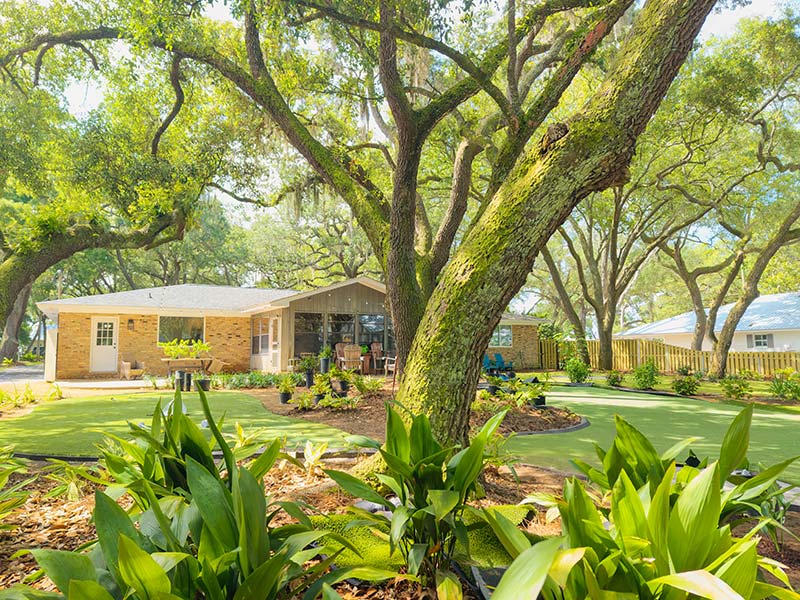
Why a Design and Build Company Changes the Outcome
One team. One vision. One line of accountability.
When design and construction live under the same roof, the entire project moves with clarity. The plan you approve is the plan we build, because the people drawing it understand exactly how it will be installed.
This integrated approach keeps vision, engineering, and budget aligned from the first walk through to the final planting. It eliminates the gaps that often appear when designers and contractors work separately, and it prevents costly revisions once construction is already underway.
Designed for real world performance, not just appearance
Our designers see the full life cycle of a landscape. How materials weather. How plants mature. How drainage behaves after years of heavy rain. That perspective shapes every decision we make. Hardscape details are sized correctly from the start. Drainage is planned before water becomes a problem. Plant palettes are chosen for long term health, not short term impact. The result is a landscape that holds its shape and purpose long after installation.
Fewer surprises. Better decisions. Calmer projects.
When design and build are disconnected, accountability becomes cloudy. Budgets drift. Constructability issues surface too late. Responsibility gets passed around when something does not perform as expected.
With an integrated team, decisions are resolved early. Grading conflicts, utility constraints, and code requirements are addressed on paper, not in the field. Adjustments happen before excavation, not after something has already been torn out.
From First Walk-through to a Clear Master Plan
A technical assessment before a creative conversation
Our first visit to your property is about listening to the land as much as listening to you. We study slope, drainage patterns, soils, sun exposure, prevailing winds, existing trees, utilities, and views both toward and away from neighbors.
This early inventory reveals opportunities and limitations that shape everything that follows. It tells us where water wants to move, where shade will matter most, and where future expansion should be planned instead of improvised.
Designing around how you actually live outside
A successful landscape starts with function. We talk through how you plan to use the space, who will be using it, and what feels essential versus optional.
Outdoor rooms are organized for cooking, dining, lounging, play, and retreat. These uses are then fitted naturally into the site’s slopes, setbacks, and light patterns while respecting local codes and neighborhood guidelines.
Planning for today and tomorrow
When scope or budget calls for restraint, we design with intention rather than compromise. Phasing plans allow key areas to be built now while infrastructure is prepared for future additions.
This approach prevents tearing out finished work later and gives the landscape room to evolve alongside your life.
Seeing the space before it is built
Three dimensional renderings and virtual walkthroughs bring clarity early. They show how grade changes feel underfoot, how walls define space, and how plant massing shapes privacy.
Clients often refine patio sizes, seating layouts, and vertical elements after seeing them at eye level. These adjustments are far easier to make before construction begins.
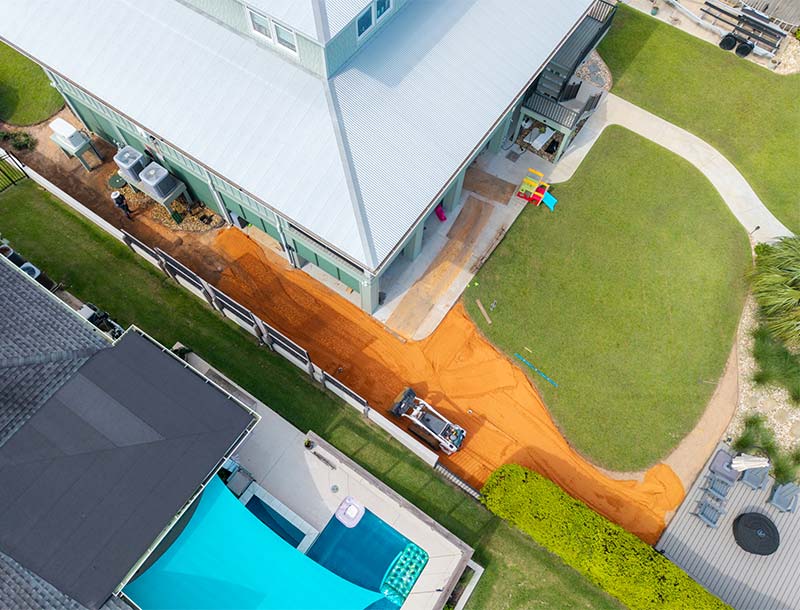
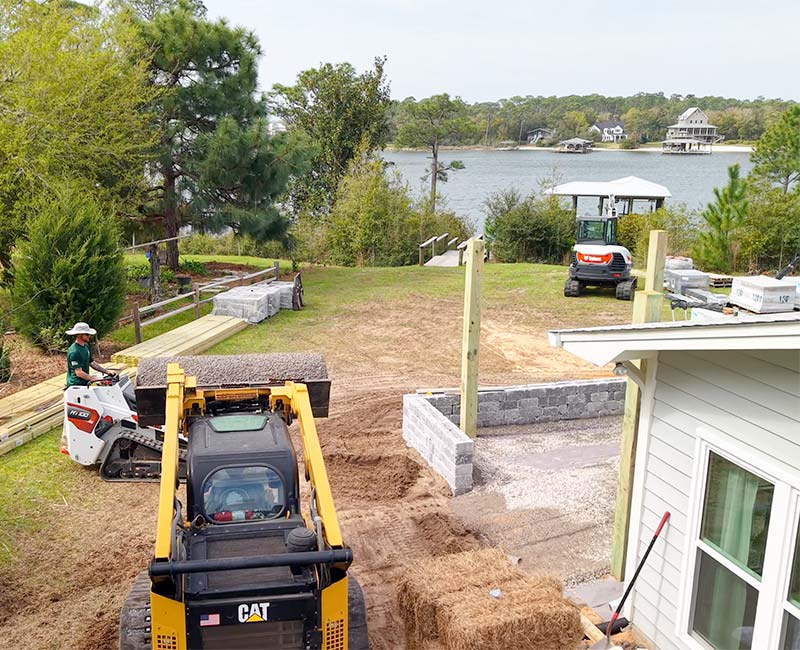
Solving Infrastructure Before It Becomes a Problem
Drainage that protects the home and the landscape
Most landscape failures start below ground. Standing water near foundations, soggy lawns, eroding slopes, and slick patios all point to drainage that was never fully resolved.
We address water movement through grading, swales, subsurface drains, and permeable materials that guide runoff safely and discreetly away from structures.
Irrigation designed for plant health, not excess
Efficient irrigation begins with zoning. Plants with similar water needs are grouped together so no area is overwatered to keep another alive.
Drip irrigation supports deep roots and reduces disease pressure. Smart controllers adjust schedules based on weather and season, conserving water while protecting investment.
Lighting that feels natural after dark
Landscape lighting is layered with intention. Primary paths and stairs are lit for safety. Architectural features and specimen trees receive accent lighting. Gathering areas glow softly rather than glare.
Fixtures are aimed carefully to avoid spill light and preserve nighttime calm while extending the hours your outdoor space can be enjoyed.
Balancing Structure and Planting with Purpose
Hardscape as the foundation of daily use
Patios, walkways, retaining walls, kitchens, and fire features create the framework of the landscape. Their placement controls circulation, elevation changes, and gathering zones.
We select materials proven for local soil and climate conditions, detailing them for proper drainage, movement, and durability so they perform gracefully over time.
Planting that brings the landscape to life
Softscape is where the space breathes. Trees, shrubs, perennials, grasses, and groundcovers are layered for structure, seasonal interest, and ecological resilience.
Plants are grouped by light, water needs, and mature size to simplify irrigation and reduce long term maintenance. Spacing is intentional, allowing plants to grow into their natural form without constant pruning.
Designed for the realities of climate and microclimates
No property is uniform. Hot patios, shaded walls, windy corners, and low areas that collect moisture each require different plant communities.
Heat tolerant plants are placed where exposure is highest. Moisture loving species anchor swales and rain gardens. Shade tolerant evergreens and textural foliage bring structure to areas where flowering options are limited.
Matching the landscape to your maintenance comfort
The balance between hardscape and planting is tailored to how you want the space to feel and how much care you want to manage.
Some clients prefer generous terraces with simplified planting for easy entertaining. Others lean toward immersive gardens with deeper planting beds and shaded paths. Both approaches can succeed when designed intentionally.
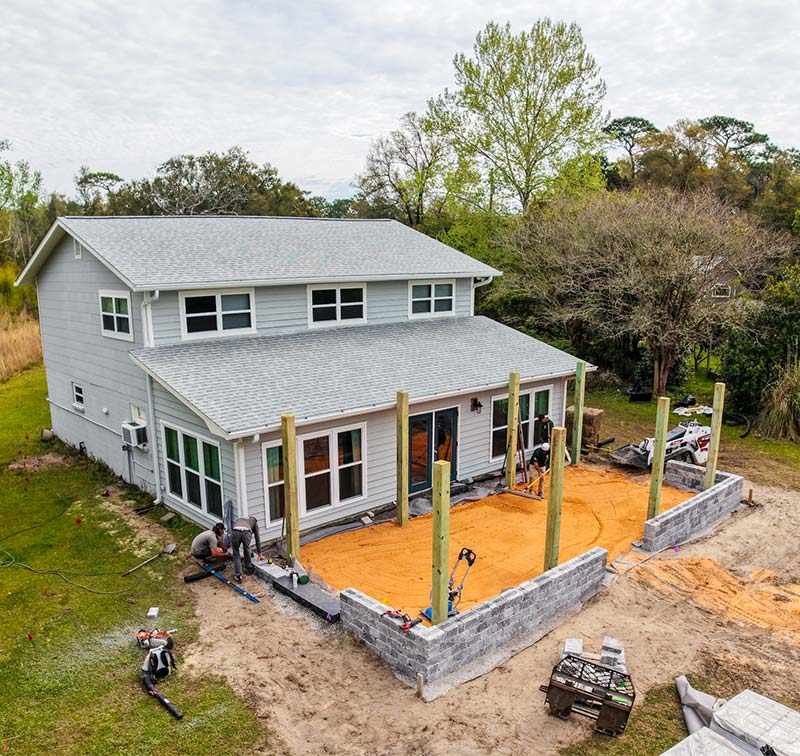
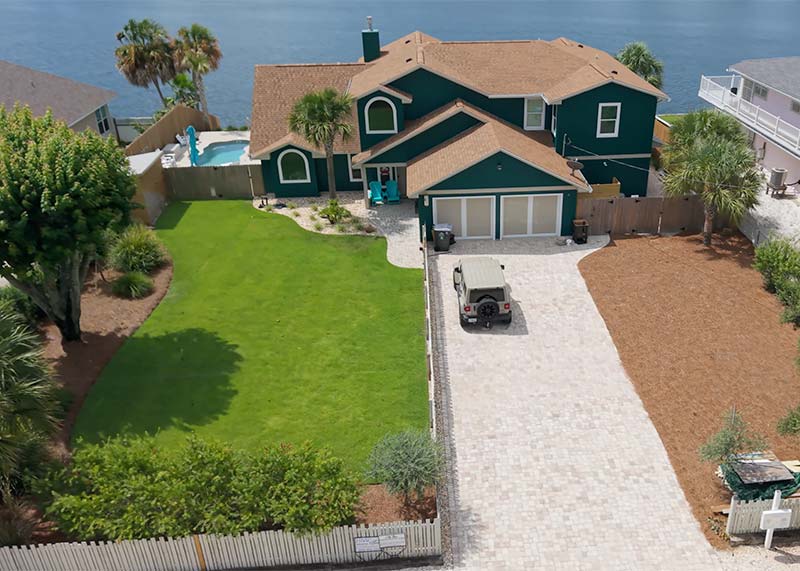
What the Process Feels Like from Start to Finish
A consultation grounded in clarity
Our initial consultation is structured and candid. We talk through priorities, lifestyle, constraints, and expectations. Maintenance comfort and budget are discussed early so the design aligns with reality, not assumptions.
Typical cost ranges and phasing options are explained so decisions feel informed rather than rushed.
A clear design and build timeline
Projects move from site analysis to concept planning, then into detailed drawings, renderings, and technical documents. Each phase includes review points where you can see progress, ask questions, and approve direction.
Before construction begins, logistics and sequencing are confirmed so installation unfolds smoothly.
Support beyond installation
After completion, we help you succeed long term. Walk throughs cover irrigation settings, plant care basics, and seasonal considerations. Documentation such as plant lists and lighting controls provides a clear reference moving forward.
Our role does not end when the last plant is set. We remain a steward of the landscape as it grows and matures.