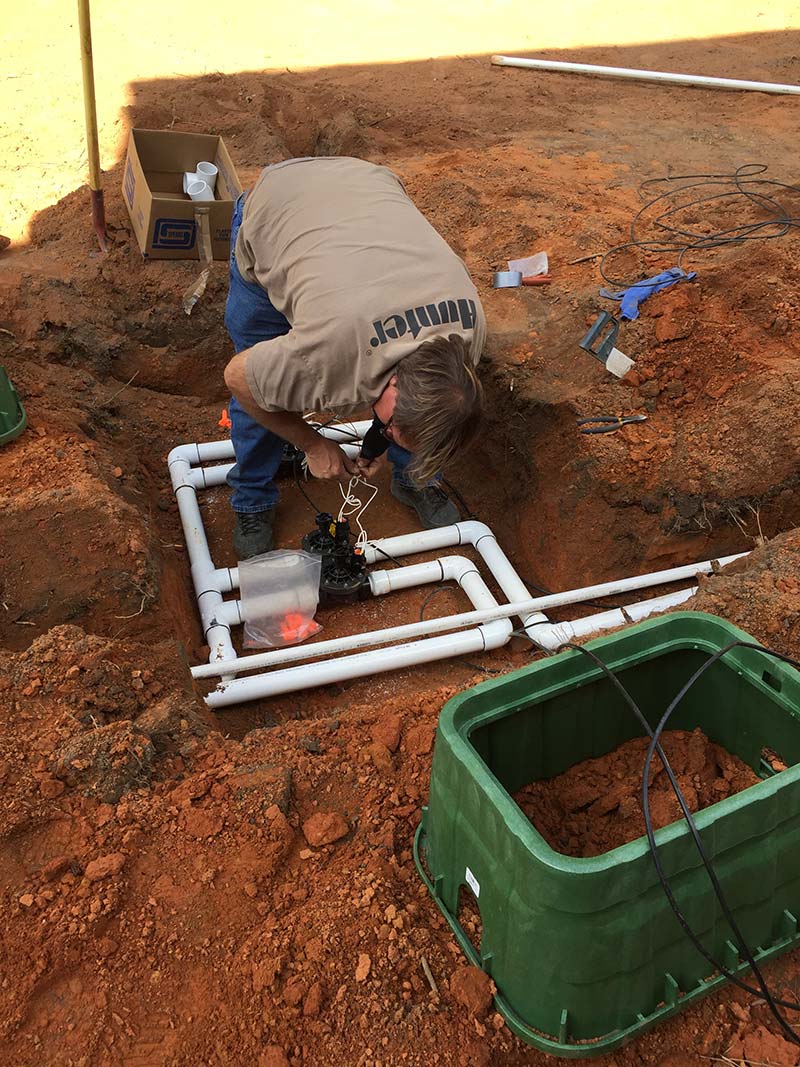
Landscape Irrigation and Drainage
Deep South Landscaping designs and maintains complete water management systems so your property drains faster, uses water wisely, and finally feels like the outdoor space you hoped for.
You know that feeling when you step outside after a storm and your yard looks like it lost the fight again?
Let’s be honest. Your grass is not likely the real problem. The problem is how water behaves on your property and how your current system either ignores that or makes it worse.
Around the Gulf Coast, with our sideways rain and sandy soils, you don’t just need “more water” or “better heads.” You need a plan that handles water in and water out as one story, not two separate chapters. That is what proper landscape irrigation and drainage is meant to do. When it’s done right, your yard dries out faster after storms, stays greener through the dry spells, and stops feeling like a second job.
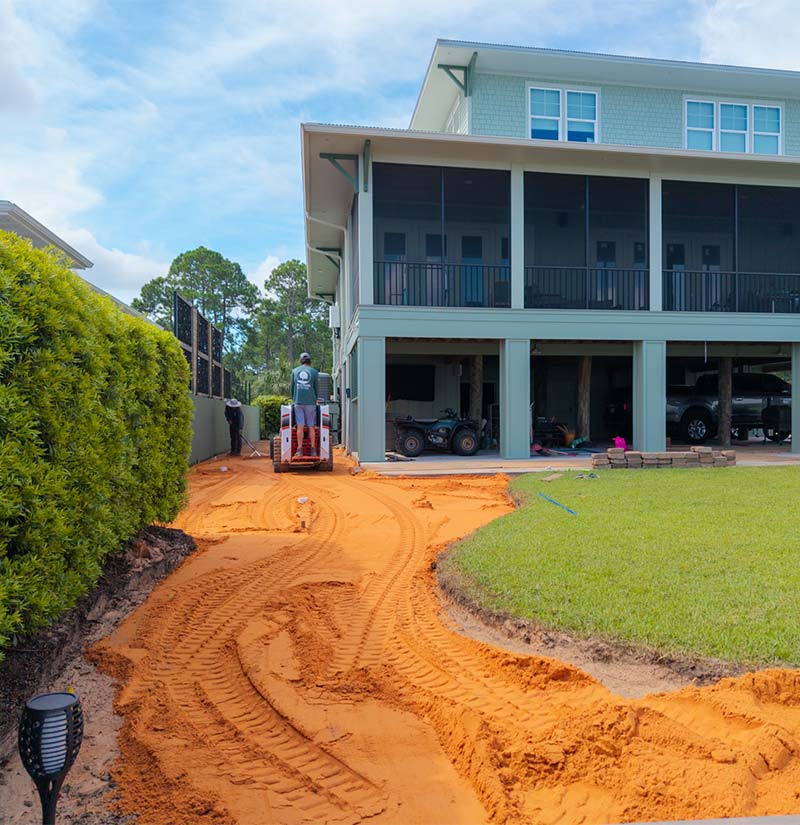
Landscape Irrigation and Drainage on the Gulf Coast
Tired of Soggy Spots and Burnt Patches?
Picture this. It pours all afternoon, the kind of Gulf Coast storm that rattles the windows, and by the next morning you have: standing water by the patio, a muddy side yard that squishes with every step, and sprinklers still running because the controller never got the memo that it just rained. A week later, the low spots look diseased and the higher areas are browning out anyway.
If that sounds familiar, you’re not alone. Most yards around here were not designed with our climate in mind. Too often, someone throws in a generic sprinkler layout, maybe digs a little trench where the water collects, and calls it good. It is not good.
Deep South Landscaping focuses on what your yard actually experiences living on the Florida Alabama Gulf Coast. Heavy, fast storms. Intense sun. Sandy soils that drain in one spot and hold water in another. The goal is simple. Get the right amount of water to the right places and give the extra water a smart way out. When that happens, your yard starts behaving.
What Your Gulf Coast Yard Really Needs: Water In, Water Out, Working Together
There is a reason you can water like crazy and still have dead patches. Water management is not about volume, it is about balance. Your landscape needs enough moisture in the root zone and a clear exit route for everything else.
When irrigation and drainage are treated as a single system instead of two random add ons, a few good things start happening.
- Water actually reaches and stays where roots can use it.
- Rainwater flows away from your house, patios, and walkways instead of attacking them.
- Plants and turf stop riding a roller coaster from soaked to stressed.
You stop guessing. The yard stops complaining.
The Gulf Coast Climate Factor
Now, your property is not in some mild, predictable climate. You live where:
- Storms can dump inches of rain in a short burst.
- Heat and humidity linger, and turf fights disease as much as drought.
- Sandy coastal soils drain fast in some areas and just as quickly erode in others.
- Salt exposure sneaks in near the coast and wears plants down over time.
Generic systems do not account for that. A proper Gulf Coast design does. It looks at your slopes, soil, plant choices, and weather patterns and then builds irrigation and drainage around that reality instead of around a box of fittings.
How to Tell If Your Irrigation and Drainage Are Failing
You probably already know something is wrong, you just may not have names for it yet. Let’s give you some. Once you can spot the signs, it is easier to decide when to call in help instead of throwing more money at patchwork fixes.
Surface and Safety Warning Signs
After a routine rain, take a slow walk. If you notice:
- Water still sitting on the surface a day or two later.
- Squishy, sponge like turf that never quite dries.
- Slippery algae or moss where it stays damp.
- Water running across walkways or pooling at the bottom of your drive.
Those are classic drainage red flags. Over time, they can lead to erosion, trip hazards, and moisture creeping closer to your foundation than anyone is comfortable with.
What Your Turf and Plants Are Telling You
Your plants are speaking up as well, just quietly. Things to watch for.
- Lush growth on higher ground and thin, dying turf in depressions.
- Brown patch or root rot in the same areas that stay wet.
- Wilting or scorched plants in fast draining or sloped spots that dry too quickly.
- Struggling shrubs or ornamentals in coastal exposure that likely juggle salt and water stress together.
When one part of the yard is drowning while another looks thirsty, the system is not balanced. You can fertilize and re‑sod all day and still lose.
Red Flags in Your Sprinkler System
Then there is the irrigation system itself. Take a look at how it behaves, not just whether it turns on.
- Heads running during or right after a storm.
- Spray hitting walls, sidewalks, and the street more than plants.
- Obvious dry zones and obvious swamp zones in the same yard.
- An old controller no one has touched in years.
- No functioning rain sensor or smart control to shut things off.
That is money literally going down the drain, and sometimes making your drainage issues worse at the same time.
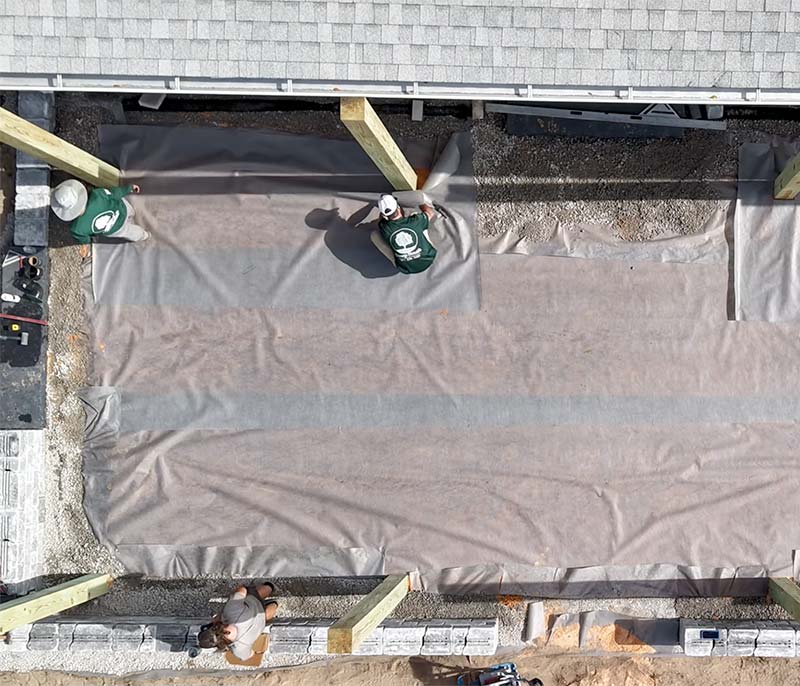
Designing a Gulf Coast‑Ready Irrigation System
A well designed system is not flashy. It just quietly takes care of business so you do not have to think about it every weekend. The trick is to design it for the yard you actually have.
Matching Zones to Plants, Sun, and Slope
One of the fastest ways to waste water is to treat your entire property like a single zone. Turf wants one thing, shrubs another, full sun areas drink faster than shaded corners, and slopes behave differently from flat areas.
A smarter layout separates zones so you can:
- Water grass and plant beds on their own schedules.
- Give sunny sections a little more time and shaded areas a little less.
- Prevent runoff on slopes while still keeping them alive.
- Fine tune runtimes as your landscape matures instead of drenching everything equally.
From your perspective, that means fewer surprises. The whole yard is not held hostage by the thirstiest corner.
Choosing the Right Irrigation Methods
Different parts of your yard need different tools. Quick comparison.
| Method | Best For | Main Advantages | Things To Watch |
| Spray heads | Small or irregular lawn areas | Fast coverage, simple installation | Overspray and wind drift |
| Rotor heads | Larger open turf areas | Even coverage, good for big stretches | Needs proper spacing and pressure |
| Drip / micro | Beds, foundations, narrow strips | Targeted watering, less evaporation | Keep an eye out for clogs or damage |
Used together, these methods can keep lawns, beds, and tight spaces all watered properly without turning your water bill into a surprise every month.
Smart Controllers and Sensors That Protect Your Yard and Wallet
Then there are the brains of the operation. Smart controllers and sensors are not just fancy gadgets, they are how you stop watering when you do not need to. They can:
- Adjust watering based on local weather data.
- Skip cycles after rainfall.
- Respond to soil moisture rather than a static schedule.
- Help you line up with local watering rules without memorizing them yourself.
Florida Friendly and UF IFAS guidance backs this general idea. Water efficiently, avoid runoff, and don’t irrigate when nature already handled it.
You get fewer soggy mornings, healthier plants, and a bill that feels more fair.
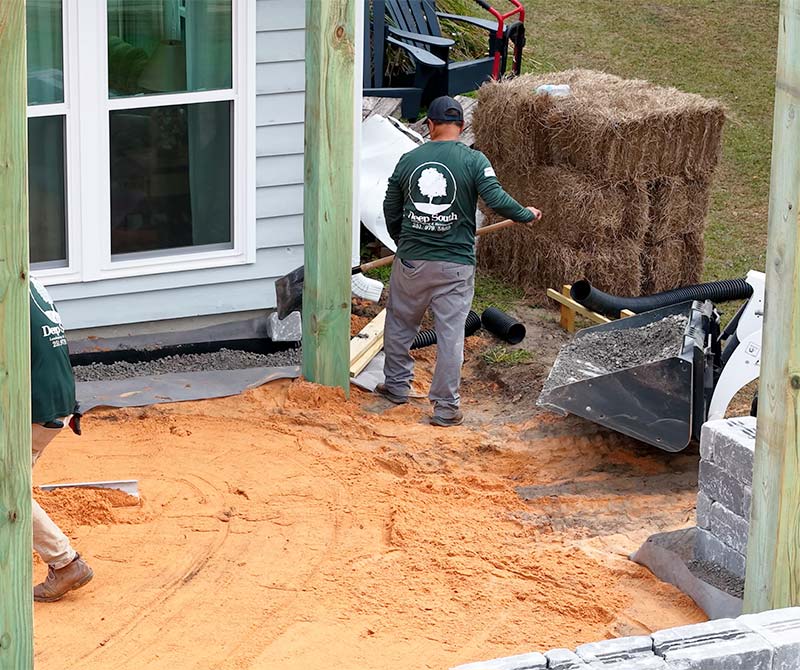
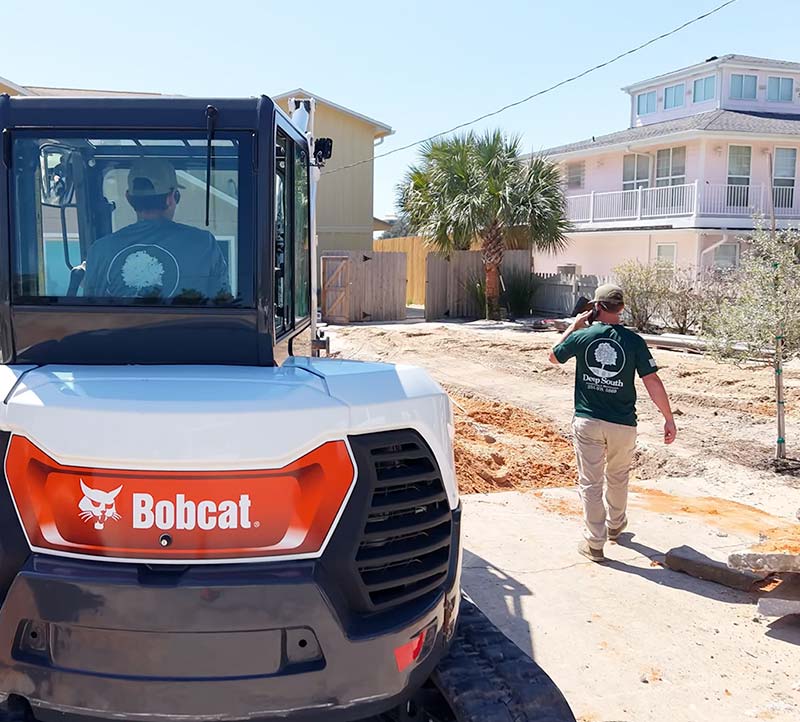
Getting Drainage Right: From Grading to French Drains
If irrigation is about delivering water, drainage is how you escort it off the property with some dignity. When that part fails, everything else is a bandage.
Fixing Slope and Directing Water Safely
Gravity is your quiet partner here. The question is whether your property is working with it or fighting it. Proper grading sends water away from your home, away from your hardscapes, and toward safe outlets.
Sometimes the fix is not dramatic.
- Reworking a low spot so it actually drains.
- Creating a shallow swale that collects water and moves it gently across the yard.
- Adding a small berm to block unwanted flow in a problem direction.
It might not look like much, but during the next big storm you tend to notice the difference pretty quickly.
French Drains, Catch Basins, and Channel Drains Explained
When grading alone cannot keep up, that is where simple structures come in.
Here is the short version.
- A French drain is a gravel filled trench with perforated pipe inside, wrapped in fabric. It collects groundwater and surface water and sends it away from wet trouble spots.
- Catch basins sit at low points, capturing runoff at the surface and feeding it into buried pipes.
- Channel drains intercept sheets of water across driveways or patios, so the runoff does not flood your garage or back door.
- Downspout tie ins keep roof runoff from dumping right next to your foundation and turning that area into a bog.
Most homeowners who install these once in the right places wonder why they waited so long.
Rain Gardens and Green Drainage Features
Not every solution has to be pipe and concrete. Sometimes, you let plants and soil help carry the load.
Rain gardens and vegetated swales use carefully chosen plants and improved soil to slow, soak, and filter stormwater. They can turn what used to be a chronic wet spot into one of the most interesting parts of your landscape, while quietly managing water in the background.
Florida Friendly guidance leans in this direction quite a bit, encouraging homeowners to manage water where it falls and to let landscapes do some of the work.
Smarter Planting and Soils: Make Irrigation and Drainage Work With You
Even the best laid pipe will struggle if the plants and soil are fighting against it. Once you tune those, everything else becomes easier to control.
Turf and Groundcover That Handle Gulf Coast Conditions
Warm season grasses like St Augustine, Bahia, and Zoysia are a common sight in Florida for good reason. They tolerate our heat, respond well to proper care, and can handle both wet and dry cycles a bit better than some others when managed correctly.
Choosing the right one for each area of your yard matters.
- Full sun or partial shade.
- High traffic versus low traffic.
- Areas that naturally stay wetter or drier.
Sometimes swapping turf for groundcover or a bed in a stubborn area is more sensible than fighting nature year after year.
Native and Coastal Tough Plants
Florida Friendly Landscaping has a simple rule that still holds up. Right plant, right place. Plants that are built for this climate need less irrigation, handle local pests, and stay standing when the weather gets weird.
Good plant choices can:
Keep your yard looking intentional instead of patched together.
Cut how often you need to run drip or micro irrigation.
Support rain gardens and swales by handling wetter feet when needed.
Improving Sandy Soils for Better Water Management
Our coastal soils are often sandy. Water drains quickly, which sounds great for drainage until you realize how fast everything dries out again. Adjusting the soil is one of the most underrated ways to manage water.|
Helpful moves include:
- Mixing in organic matter so the soil holds more moisture for roots.
- Using mulch in beds to reduce evaporation and keep temperatures steadier.
- Aerating compacted turf so water can actually soak in instead of racing away.
When the soil behaves, your irrigation schedule becomes more forgiving and your drainage system has less work to do every time it rains.
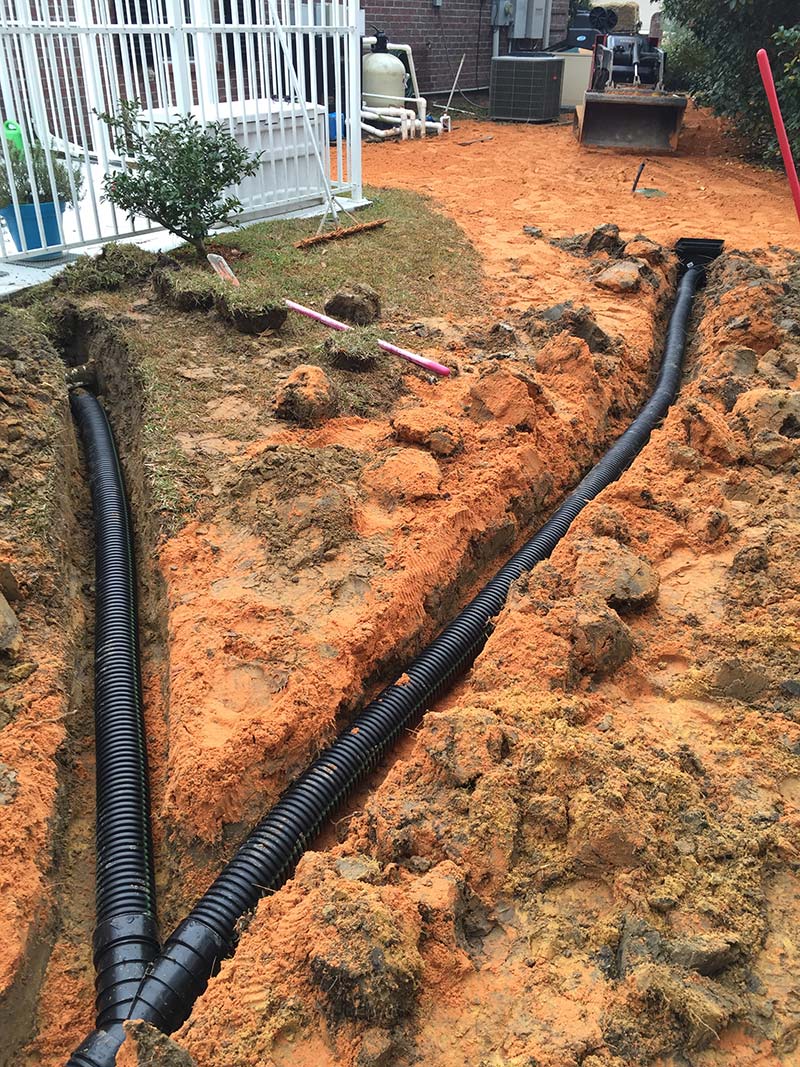
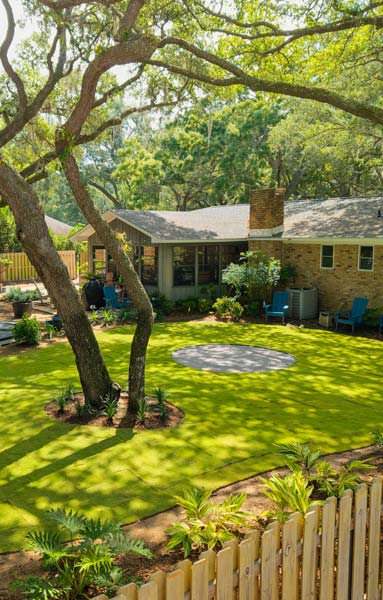
Seasonal Maintenance: Keeping Your System Tuned All Year
Even great systems drift out of tune. Heads get bumped, roots shift, weather patterns change, and settings that worked last year are not quite right this year. That is normal. Ignoring it is where problems start.
What a Professional Irrigation and Drainage Checkup Includes
A proper seasonal checkup is more than a quick look to see if everything turns on. It usually includes:
- Inspecting each head for clogs, cracks, or bad alignment.
- Checking for leaks, pressure issues, and uneven coverage.
- Confirming the controller program matches the season and your landscape.
- Testing rain sensors or other smart features.
- Looking at drainage inlets, swales, and outlets for blockages or erosion.
It is the difference between discovering problems early, on your terms, and finding them with your shoes full of mud.
Adapting to Weather, Restrictions, and Changing Conditions
Gulf Coast weather does not read the calendar. Some years bring harsher storms, some bring longer dry stretches, and local watering rules can change over time. Florida Friendly and related guidance are very clear. Water only when needed, in ways that avoid runoff, and adjust as conditions change.
In practical terms, that means:
- Shortening runtimes or skipping days in wetter periods.
- Respecting watering windows when restrictions are in place.
- Tweaking schedules as plants mature, roots deepen, and shade patterns shift.
A maintenance plan takes that mental load off you and hands it to someone who watches these patterns all the time.
Why Work With Deep South Landscaping for Irrigation and Drainage?
You can buy the same hardware someone else uses. What you cannot buy off the shelf is local judgment. That comes from walking a lot of Gulf Coast yards, seeing what actually holds up, and standing behind the work when the next storm rolls through.
Trusted local companies tend to have a few things in common.
- They look at the property as a whole, not just a broken zone or a wet corner.
- They follow Florida Friendly ideas and recognized best practices instead of guessing.
- They communicate clearly, show real project experience, and keep showing up for seasonal tune ups, not just one time installs.
When you hire someone to fix irrigation and drainage, you are not just buying pipes and timers. You are buying fewer headaches every time the radar lights up red and fewer surprises when your water bill arrives.
Get a Gulf Coast Water Management Assessment
If your yard always feels one step away from being too wet or too dry, it might be time to stop tinkering and get a full picture. A Gulf Coast Water Management Assessment is built for that.
Here is what that usually looks like.
- A walkthrough of your property, paying attention to slopes, low areas, and how water currently flows.
- A full irrigation review, including coverage, scheduling, and controls.
- A drainage check, from roof runoff and gutters to ground level drains and swales.
- Clear, phased recommendations that respect your budget and priorities instead of pushing everything at once.
If you are ready for a yard that dries out sensibly after storms, stays greener between them, and feels more like an outdoor room than a problem to manage, the next step is straightforward. Schedule that assessment and let a local team show you how your water in and water out can finally work together instead of against you.